GLP-1 · ONCE-A-WEEK INJECTION
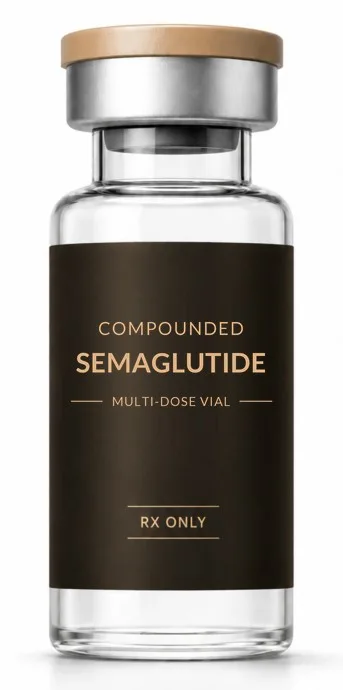
Compounded Semaglutide
One small injection a week. You start low, and your clinician adjusts your dose gradually based on how you're feeling.
Starting at $199/month
Start Your Assessment NowPersonalized metabolic health · Semaglutide telehealth
Hey, Alfred here. Weight is shaped by more than diet and exercise: hormones, insulin sensitivity, appetite, sleep and metabolic health all play a part. Semaglutide is a GLP-1 medication with years of clinical research behind it, and we pair it with a functional, whole-person approach.
Clinician-guided semaglutide therapy, designed around your metabolism, appetite regulation and long-term health goals.
Your card is only held, not charged, until a clinician approves treatment. Prescriptions aren't guaranteed.

THE SCIENCE OF GLP-1
GLP-1 is a hormone your gut releases when you eat. It helps coordinate appetite, insulin, glucagon and digestion. Semaglutide is a long-acting GLP-1 receptor agonist, designed to activate those same receptors for much longer.
BRAIN
Helps reduce hunger and how much you eat, which supports weight reduction.
PANCREAS
Releases more insulin when glucose is high. Low blood sugar can still happen, mainly with some other diabetes medicines.
GLUCAGON & LIVER
Lowers excess glucagon when glucose is high, so the liver releases less sugar.
STOMACH
Food leaves the stomach more slowly, especially at first. This also causes some common side effects.
PHYSIOLOGY SPOTLIGHT
Your body's own GLP-1 is broken down within minutes by an enzyme called DPP-4. Semaglutide's structure was changed so it resists that breakdown and binds to albumin, a protein in your blood. That stretches its half-life to about a week, which is why the approved injection is given once weekly.
Cut by DPP-4 in about 2 minutes
An amino-acid swap plus a fatty-acid side chain
Protected from breakdown and cleared slowly
Half-life of about one week
Simplified molecular and pharmacokinetic illustration.
EVIDENCE-BASED WEIGHT MANAGEMENT
The STEP trial program studied semaglutide in thousands of adults with obesity or overweight. In the pivotal STEP 1 trial, people taking semaglutide 2.4 mg weekly lost an average of 14.9% of their body weight over 68 weeks, compared with 2.4% on placebo.
STEP 1, mean percent change in body weight
TWO-YEAR RESULTS · STEP 5
average weight reduction at two years (104 weeks) with semaglutide 2.4 mg, compared with 2.6% on placebo.
Garvey WT, et al. Nat Med. 2022. Read the study
A scientific note: These trials studied FDA-approved semaglutide at standard doses. Their results don't establish how well unstudied microdosing or compounded formulations work, and individual results vary.
YOUR OPTIONS
Both are compounded semaglutide. Injectable semaglutide is the form studied in the STEP trials; the tablet skips the needle. Pick the one you're leaning toward, and your clinician will talk it through with you.

GLP-1 · ONCE-A-WEEK INJECTION
One small injection a week. You start low, and your clinician adjusts your dose gradually based on how you're feeling.
Starting at $199/month

GLP-1 · ONCE-A-DAY TABLET
A no-needle tablet taken once a day, compounded with vitamins.
Starting at $199/month
BEYOND THE NUMBER ON THE SCALE
Weight loss isn't only fat loss. Losing a lot of weight can also mean losing some lean tissue, which is why protein, resistance training and ongoing check-ins matter.
STEP 1 DXA substudy, semaglutide group. Reduction in each compartment from its own baseline.
Lean mass went down in absolute terms, but it made up a larger share of body weight afterward.

Semaglutide helps quiet your appetite, but it doesn't build muscle on its own. Regular resistance training, paired with enough protein, helps protect lean mass while you lose weight, so you stay strong and keep doing the things you love.
We talk with you about keeping your strength and healthy body composition throughout treatment, all by telehealth.
Practical targets that fit how you eat.
Strength work to help preserve muscle.
Weight, waist, activity and how you feel, from home.
A PLAN THAT EVOLVES WITH YOU
Five steps, all from home, and you'll never be left guessing what comes next.
ASSESSMENT
A secure assessment of your health history, medications, goals and relevant conditions. Your card is only held, not charged.
REVIEW
A licensed clinician checks eligibility and whether a video visit, testing or more information is needed.
TREATMENT
If semaglutide is right for you, your plan starts at a low dose and increases gradually based on how you tolerate it.
MONITORING
Follow-ups on your response, stomach side effects, hydration, nutrition and progress.
LONG-TERM CARE
We review your goals, treatment length, dose changes and how to keep the weight off.

Meet Alfred
Alfred is a Family Nurse Practitioner with over 13 years in healthcare, from urgent care and family medicine to employee health and kidney care. He started Vybrant because he kept seeing how few integrative options traditional insurance-based care offers.
At Vybrant, we don't believe in one-size-fits-all wellness. That's why your care starts with your health history, your goals and a real conversation.
SAFETY & REGULATORY INFORMATION
Semaglutide is a prescription medication that requires evaluation by a licensed clinician. Eligibility depends on your history, possible reasons not to take it, your goals and the specific formulation.
BOXED WARNING: RISK OF THYROID C-CELL TUMORS
In rodents, semaglutide caused thyroid C-cell tumors. It's unknown whether it causes these tumors, including medullary thyroid carcinoma (MTC), in people. Don't use semaglutide if you or a family member has ever had MTC, or if you have Multiple Endocrine Neoplasia syndrome type 2 (MEN 2). Tell your clinician right away about a lump or swelling in your neck, trouble swallowing, hoarseness or shortness of breath.
Nausea, vomiting, diarrhea, constipation, stomach pain, indigestion and other stomach symptoms. They're often worse when your dose goes up.
Tell us if you're pregnant, breastfeeding or planning pregnancy. Your clinician will talk with you about stopping well before trying to conceive.
Slower stomach emptying can affect how some oral medications are absorbed. Don't combine semaglutide with other semaglutide products or GLP-1 medications unless your clinician has planned it.
Care is available only where your treating clinician is authorized and where we can legally provide the service. Prescriptions are never guaranteed.
Compounded medications are not FDA-approved and have not gone through FDA premarket review for safety, effectiveness or quality. Compounded semaglutide is not interchangeable with Wegovy, Ozempic or Rybelsus. Federal rules limit compounding copies of commercially available drugs, so it may be prescribed only when a clinician determines and documents that a compounded formulation offers a significant clinical difference for you. Availability depends on federal and state law and pharmacy requirements.
Salt forms such as semaglutide sodium or semaglutide acetate are different active ingredients from the semaglutide in FDA-approved products.
This content is educational and doesn't replace a medical evaluation. Research findings aren't guarantees of individual results, and investigational uses aren't approved treatments.
GET STARTED ONLINE
Your online assessment helps our clinical team understand your medical history, goals and whether you may be eligible.

Eligibility depends on medical review, clinician approval, treatment availability and state requirements. Additional testing or evaluation may be required.
Semaglutide is a GLP-1 receptor agonist. As brand-name products like Wegovy, Ozempic and Rybelsus, it's used for obesity, type 2 diabetes and certain other conditions, depending on the product. Compounded semaglutide is not FDA-approved.
It activates GLP-1 receptors involved in appetite and food intake. That can lower how much you eat and support weight reduction.
In STEP 1, people taking semaglutide 2.4 mg weekly lost about 14.9% of their body weight on average after 68 weeks. Individual results vary.
Semaglutide activates GLP-1 receptors only. Tirzepatide activates both GIP and GLP-1 receptors. They work differently and had different results in clinical trials.
Some lean mass can be lost with significant weight loss. Protein, resistance training and individualized care all help.
Injectable semaglutide is generally taken once a week. Oral semaglutide products have different dosing instructions, and they aren't interchangeable with injections or with each other.
No. Compounded semaglutide is not FDA-approved and hasn't gone through FDA review for safety, effectiveness or quality. It isn't a generic version of any brand-name product, and it's prescribed only when your clinician documents a clinical reason a compounded formulation is right for you.
You start with an online assessment. Your clinician may ask for a video visit, lab testing or an in-person evaluation if it's medically needed.
It depends on your goals, how well it works, how you tolerate it and your risk factors. Weight often comes back after stopping, which is why we plan for the long term.
Our clinical team reviews your information. Next steps depend on your eligibility, medical needs and treatment availability.
The injection starts at $199 a month and the tablet starts at $199 a month. Your exact price depends on your plan, and we'll go over it before you're charged.
It's a temporary hold, not a charge. You're only charged after a licensed clinician reviews your assessment and approves treatment. If it isn't approved, the hold is released.

CLINICAL BENEFITS BEYOND THE SCALE
Metabolic dysfunction can affect your heart, kidneys, liver, blood sugar, inflammation and physical function. Semaglutide has been studied in many of these areas, with different levels of evidence for each.
Approved uses below refer to specific brand-name products (Ozempic and Wegovy) and populations. Compounded semaglutide is not FDA-approved for any use.

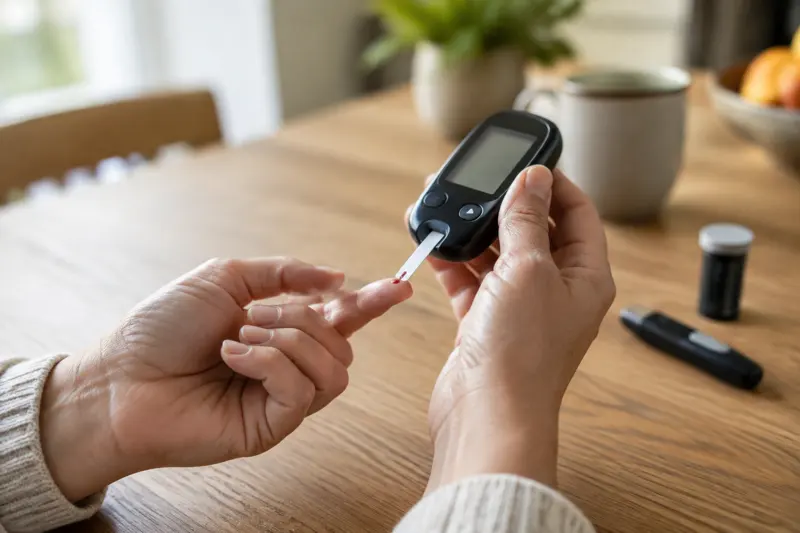
Trials show improvements in HbA1c and blood sugar control in adults with type 2 diabetes.
Physiology: beta-cell signaling, insulin release, glucagon suppression

In STEP 10, about 81% of people with available data on semaglutide met normal blood sugar criteria at week 52, compared with 14% on placebo.
Physiology: glucose balance, insulin sensitivity, adiposity

In SELECT, semaglutide lowered the risk of cardiovascular death, heart attack or stroke by 20% versus placebo in adults with heart disease and overweight or obesity, without diabetes.
Physiology: body weight, cardiometabolic risk factors, vascular signaling

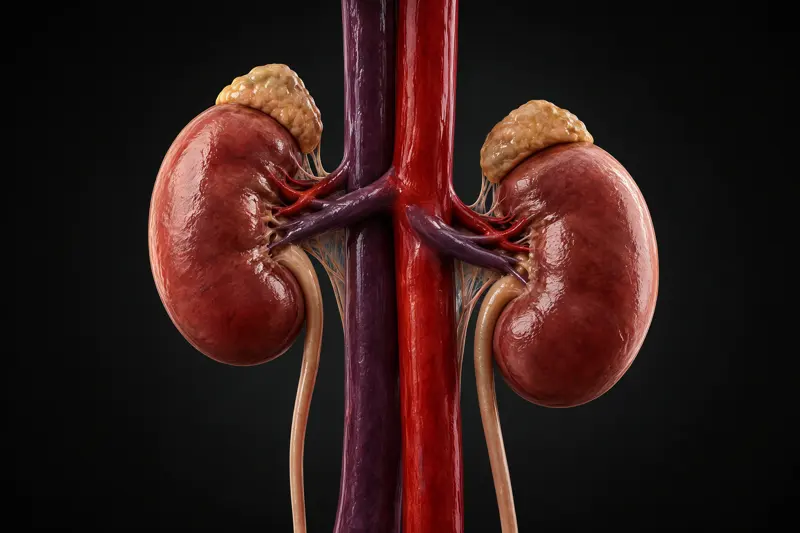
In FLOW, semaglutide lowered the risk of major kidney events or cardiovascular death by 24% in adults with type 2 diabetes and chronic kidney disease.
Physiology: glucose control, kidney blood flow, albuminuria

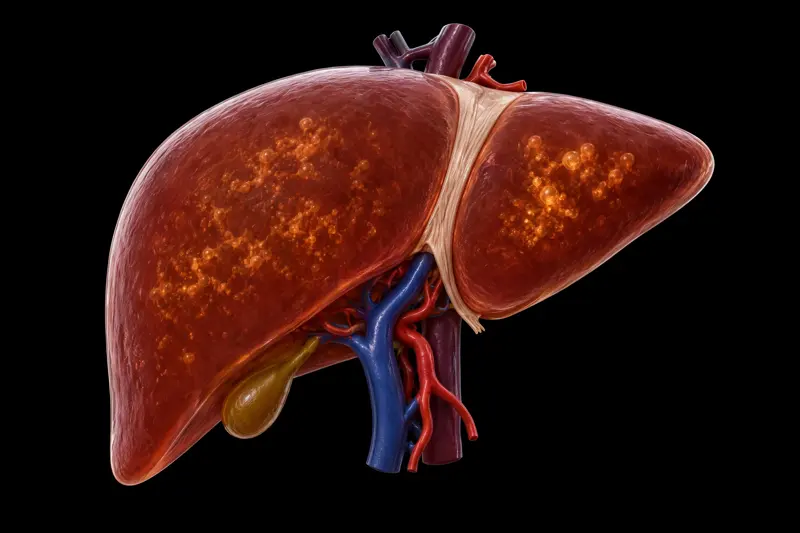
In ESSENCE, MASH resolved without worsening fibrosis in about 63% on semaglutide versus 34% on placebo at week 72, in adults with noncirrhotic MASH and F2–F3 fibrosis.
Physiology: liver fat, insulin resistance, lipid handling

In STEP-HFpEF, semaglutide improved symptoms, exercise function and weight in adults with obesity-related HFpEF. It isn't a general heart-failure treatment.
Physiology: cardiometabolic stress, inflammation, exercise tolerance

In STEP 9, semaglutide improved weight, knee pain and physical function in adults with obesity and moderate-to-severe knee osteoarthritis pain.
Physiology: joint loading, adiposity, inflammatory factors

GLP-1 medications are being studied in women with PCOS, especially with excess weight and insulin resistance. Semaglutide-specific evidence is still limited.
Physiology: insulin signaling, adiposity, androgen interactions
YOUR NEXT STEP STARTS ONLINE
Your health deserves more than a one-size-fits-all weight-loss program. Explore clinician-guided semaglutide therapy through a convenient online assessment that considers your physiology, history and long-term goals.
Online assessment · Personalized medical review · Ongoing virtual care